 Lyrics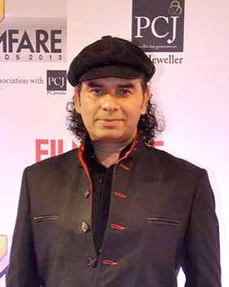
Popular songs
1 total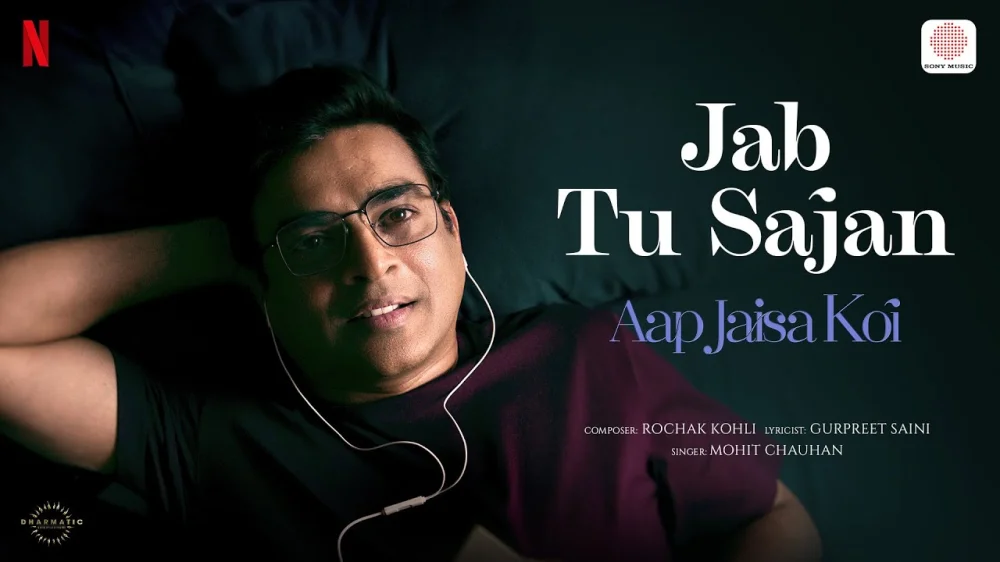
Albums
1 releases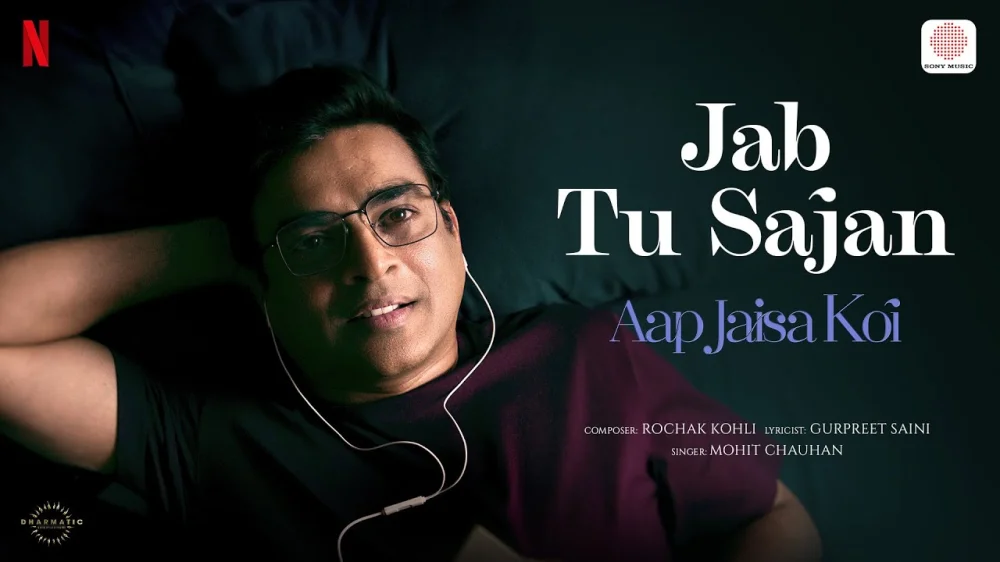
About Mohit Chauhan
Mohit Chauhan is one of India's most beloved and distinctive voices — a singer-songwriter whose warm, soulful tone bridged the worlds of Indipop and Bollywood and helped redefine the sound of the modern Hindi love song. From his pioneering 1990s band Silk Route to a string of iconic film songs like "Tum Se Hi", "Masakali" and the Rockstar soundtrack, and …
Read full bio ↓
Show less ↑
Who is Mohit Chauhan?
Mohit Chauhan is one of India's most beloved and distinctive voices — a singer-songwriter whose warm, soulful tone bridged the worlds of Indipop and Bollywood and helped redefine the sound of the modern Hindi love song. From his pioneering 1990s band Silk Route to a string of iconic film songs like "Tum Se Hi", "Masakali" and the Rockstar soundtrack, and on to recent work such as the romantic ballad "Jab Tu Sajan" from Aap Jaisa Koi (2025), he has remained a singular presence in Indian music for nearly three decades.
Early life and background
Mohit Chauhan was born on 11 March 1966 in Nahan, in the Sirmaur district of Himachal Pradesh. He developed a love of music early and was drawn to a softer, more melodic and acoustic style than the prevailing film-music sound, an aesthetic that would set him apart when he eventually entered the mainstream. His path to fame came not through Bollywood but through India's burgeoning independent-pop movement of the 1990s.
Silk Route and the Indipop era
Chauhan first found fame as the lead vocalist of Silk Route, the band he formed with Kem Trivedi, Atul Mittal and Kenny Puri. Riding the wave of 1990s Indipop, the group scored a major hit with the dreamy, melodic single "Dooba Dooba", which became one of the defining songs of the era. Silk Route established Chauhan's reputation for gentle, atmospheric melodies and an unmistakably tender voice, long before he became a film-playback star. The band eventually disbanded in 2008.
Bollywood breakthrough
Chauhan's entry into film music came when A. R. Rahman invited him to sing "Khoon Chala" for Rang De Basanti (2006), a breakthrough that introduced his voice to a vast new audience. He followed it with "Tum Se Hi" from Jab We Met (2007) and "Pee Loon" from Once Upon A Time In Mumbaai — soft, romantic songs that suited his style perfectly and cemented him as a leading playback voice almost overnight.
Masakali, Rockstar and peak success
His collaborations with A. R. Rahman produced some of his most memorable work, including the joyous "Masakali" from Delhi-6 (2009) and, above all, the landmark Rockstar (2011) soundtrack, on which he was the singing voice of the film's protagonist. Songs from that album cemented his place at the very top of Indian music. Around this peak he won two Filmfare Awards for Best Male Playback Singer (2010 and 2012), an IIFA Award (2012) and multiple Zee Cine Awards, and was named to the Forbes India Celebrity 100 in 2012.
The Rockstar moment
Of all his work, the Rockstar (2011) soundtrack stands as Chauhan's defining achievement. As the singing voice of the film's troubled musician protagonist, he carried an entire album of A. R. Rahman compositions that ranged from raw and rebellious to tender and spiritual. The soundtrack became a cultural touchstone for a generation, and the seamless match between Chauhan's voice and the character's emotional arc is often cited as one of the finest examples of playback singing serving a film's storytelling.
Style and artistry
What makes Chauhan distinctive is the unforced intimacy of his voice — a slightly husky, conversational tone that conveys emotion through restraint rather than power. As a singer-songwriter shaped by the acoustic, melody-first ethos of Indipop, he brings a folk-tinged sincerity to film music, and he has always carried something of his Himachali, mountain-town roots into his sound. That quality made him an ideal choice for "Jab Tu Sajan", the tender 2025 ballad about manifesting love from Aap Jaisa Koi, composed by Rochak Kohli — a song that asks for exactly the kind of warm, sincere delivery that has been his signature for nearly three decades.
Legacy
From a Himachali town to the heights of Bollywood, Mohit Chauhan has had one of the most distinctive careers in modern Indian music — a bridge between the independent-pop revolution of the 1990s and the film-music mainstream that followed. His voice defined a generation of romantic and introspective songs, and decades into his career he remains a treasured presence, sought out whenever a film needs a love song sung with genuine warmth and soul. That a singer who broke through with an Indipop band in the 1990s is still fronting marquee soundtrack singles like "Jab Tu Sajan" in 2025 is a testament to both his artistry and the timeless quality of his voice.