 Lyrics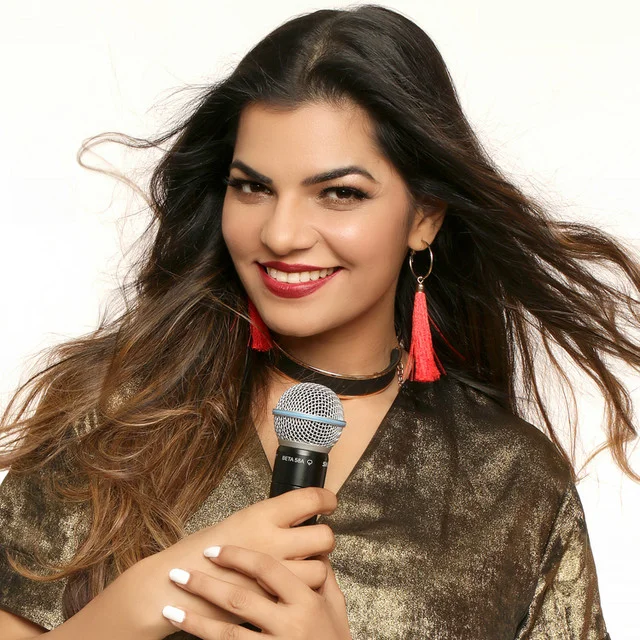
Popular songs
1 total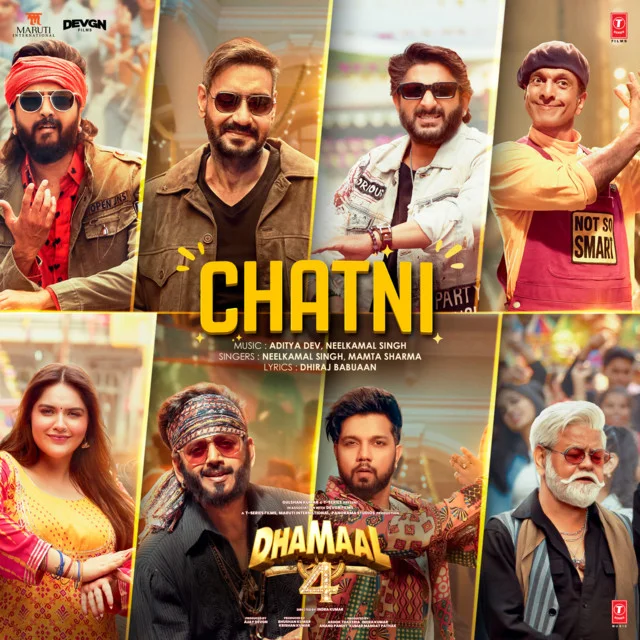
About Mamta Sharma
Mamta Sharma, born on 7 September 1980 in Gwalior, Madhya Pradesh, is an Indian playback singer best known as the voice of some of Bollywood's biggest dance and "item" numbers of the 2010s — above all "Munni Badnaam Hui", for which she won the Filmfare Award for Best Female Playback Singer. With a powerful, earthy, folk-inflected voice built for high-energy …
Read full bio ↓
Show less ↑
Who is Mamta Sharma?
Mamta Sharma, born on 7 September 1980 in Gwalior, Madhya Pradesh, is an Indian playback singer best known as the voice of some of Bollywood's biggest dance and "item" numbers of the 2010s — above all "Munni Badnaam Hui", for which she won the Filmfare Award for Best Female Playback Singer. With a powerful, earthy, folk-inflected voice built for high-energy party tracks, she became Hindi cinema's go-to singer for the decade's most explosive dance-floor hits.
Early life in Gwalior
Sharma was born and raised in Gwalior, a Madhya Pradesh city famous as one of the great historic centres of Hindustani classical music and the seat of the Gwalior gharana. Growing up surrounded by that musical heritage, she trained and nurtured her voice from a young age, completing her schooling locally before setting out to pursue singing professionally. That small-town-to-stardom arc — from Gwalior to the very top of the Bollywood charts — became a defining part of her story, and the classical-and-folk grounding of her home city gave her voice the strength and texture that would later set it apart.
Discovery and the Munni Badnaam breakthrough
Her career-defining break came when music director Lalit Pandit spotted her talent and handed her the lead vocal on "Munni Badnaam Hui" from Dabangg (2010). The song detonated across the country, becoming a cultural phenomenon and one of the defining item numbers of modern Hindi cinema — inescapable at weddings, festivals, clubs and on every music channel. It turned Sharma into an overnight star and earned her the Filmfare Award for Best Female Playback Singer at the 56th Filmfare Awards, an extraordinary honour for what was effectively her breakthrough hit, and proof that the industry recognised the song as far more than a novelty.
The item-song era
"Munni Badnaam Hui" launched a remarkable run as Bollywood's premier voice for dance and party numbers. She followed it with "Tinku Jiya" from Yamla Pagla Deewana, "Anarkali Disco Chali" from Housefull 2, "Fevicol Se" from Dabangg 2 and "Tooh" from Gori Tere Pyaar Mein, among many others — a string of high-energy, chart-topping tracks that made her voice synonymous with the era's biggest celebratory songs. Through the first half of the 2010s, if a major Hindi film needed a blockbuster dance number, Sharma was one of the first names producers turned to, and her hits became fixtures of the wedding and festival circuit for years.
Defining the modern item number
Sharma arrived at the exact moment the Bollywood "item number" was being reinvented as a marquee promotional event in its own right — a standalone single, released ahead of the film, designed to go viral. Her run of hits helped define that template, and few singers are as closely identified with a specific, beloved corner of Indian pop as she is with the modern dance number. That cultural footprint has given her songs an unusually long shelf life: more than a decade on, "Munni Badnaam Hui" and "Fevicol Se" remain dance-floor staples across India and the diaspora.
Voice and style
Sharma's signature is power and earthiness. Her voice carries a folk-rooted grit and a full-throated energy ideally suited to the loud, percussive, dance-driven songs that dominated Bollywood soundtracks in the 2010s. Where many playback singers specialise in romance or melody, Sharma owns the celebratory, attitude-filled register — the sound of the wedding floor and the festival speaker.
Beyond Bollywood
Alongside her Hindi-film work she has recorded across regional and non-film music, lending her instantly recognisable voice to stage shows and singles, and remaining a sought-after live performer thanks to the enduring popularity of her hits. Few singers are as closely identified with a specific, beloved corner of Indian pop as Sharma is with the modern item number, and that association has kept her in steady demand for the high-energy, festival-ready songs that audiences expect her name to deliver.
Chatni and recent work
In 2026 Sharma returned to exactly the kind of high-energy material that made her famous with Chatni from Dhamaal 4, sharing vocals with Bhojpuri superstar Neelkamal Singh. The Bhojpuri-flavoured party song, built on a classic folk refrain, is a natural fit for a singer who has spent her career defining the Bollywood dance number — and a reminder of why her voice has remained a festive-soundtrack staple for over a decade.