 Lyrics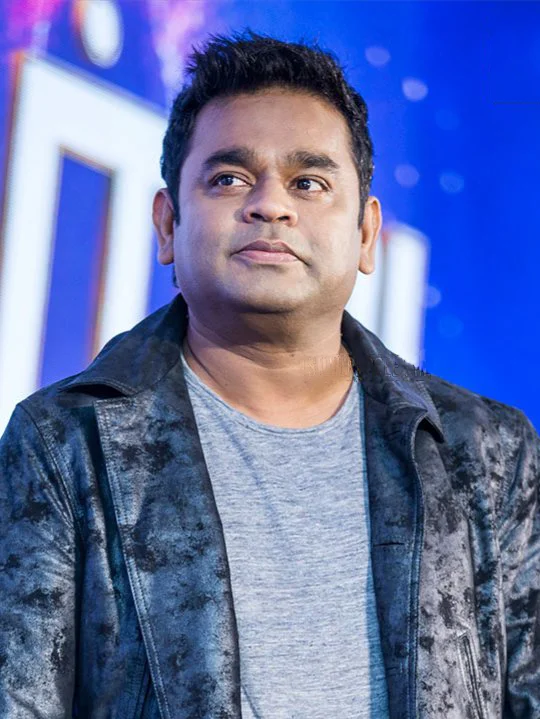
A.R. Rahman
- 1Songs
- 60Reads
- 1Albums
Popular songs
1 total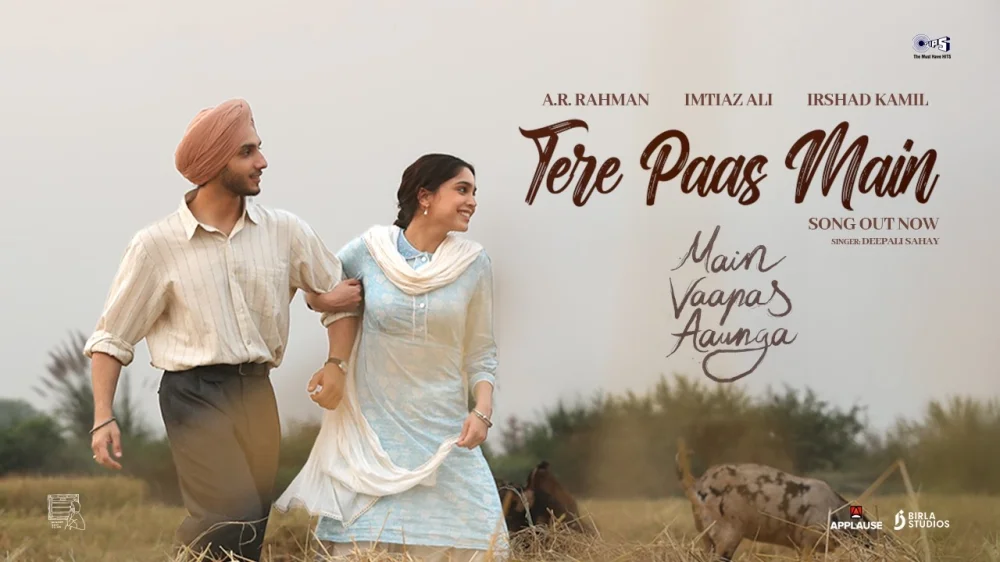
Albums
1 releases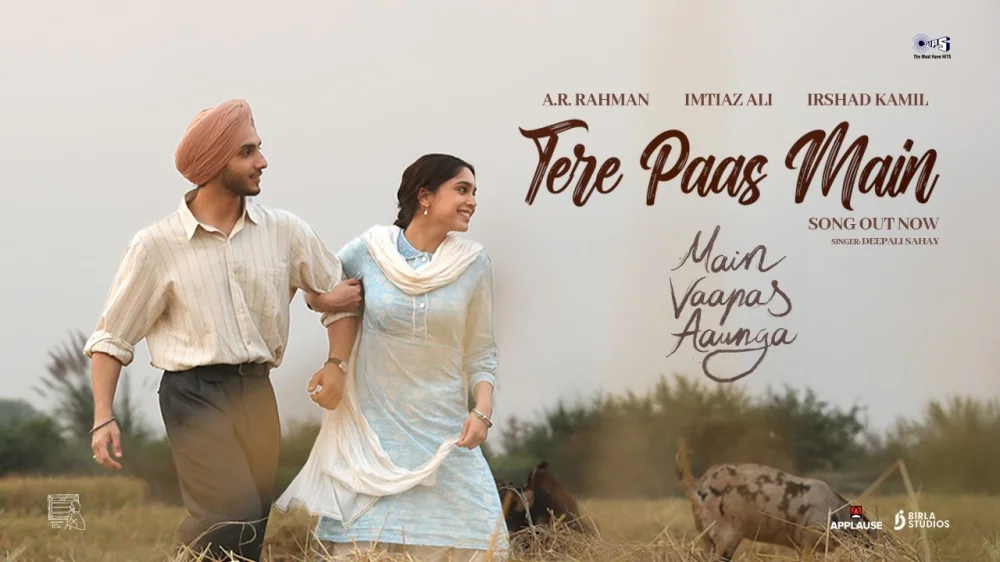
About A.R. Rahman
A.R. Rahman is among the most celebrated composers in the history of Indian music — a two-time Academy Award and two-time Grammy Award winner whose work redefined the sound of Hindi and Tamil cinema and carried it to a global audience. Nicknamed the "Mozart of Madras" and "Isai Puyal" (the Musical Storm), he has spent more than three decades crafting …
Read full bio ↓
Show less ↑
Who is A.R. Rahman?
A.R. Rahman is among the most celebrated composers in the history of Indian music — a two-time Academy Award and two-time Grammy Award winner whose work redefined the sound of Hindi and Tamil cinema and carried it to a global audience. Nicknamed the "Mozart of Madras" and "Isai Puyal" (the Musical Storm), he has spent more than three decades crafting some of the most beloved film scores in the world, including the soulful 2026 ballad "Tere Paas Main" from Main Vaapas Aaunga.
Early life and background
Rahman was born A. S. Dileep Kumar on 6 January 1967 in Madras (now Chennai), Tamil Nadu. His father, R. K. Shekhar, was a composer and conductor for Malayalam films, and the young Rahman grew up surrounded by music. His father died when Rahman was only nine, and he began supporting his family as a session keyboardist while still a boy — a hard apprenticeship that placed him alongside many of South India's leading musicians. He later won a scholarship to study Western classical music at Trinity College of Music, deepening the blend of Indian and Western sensibilities that would define his sound.
Breakthrough with Roja
After years of composing advertising jingles and session work, Rahman made a spectacular film debut with Mani Ratnam's Roja in 1992. The soundtrack was a sensation, and Rahman won the National Film Award for Best Music Direction for it — an almost unheard-of honour for a first film. Roja announced a completely new voice in Indian film music: fresh, textured and unafraid to fuse classical Indian melody with electronic and global production.
Landmark scores
Through the 1990s and 2000s Rahman composed a string of landmark soundtracks that reshaped both Tamil and Hindi cinema. His credits include Bombay, Dil Se (home to the iconic "Chaiyya Chaiyya"), Taal, Lagaan, Rang De Basanti, Guru and Jodhaa Akbar, among many others. He also composed "Vande Mataram", his hugely popular album marking fifty years of Indian independence, and wrote music for international stage productions including Bombay Dreams and a musical adaptation of The Lord of the Rings.
Slumdog Millionaire and global recognition
Rahman's international breakthrough came with Danny Boyle's Slumdog Millionaire (2008). His score, and the anthemic song "Jai Ho", won him two Academy Awards — Best Original Score and Best Original Song — along with two Grammy Awards, a Golden Globe and a BAFTA. The triumph made him one of the most recognised film composers in the world and a global ambassador for Indian music, and saw him named to TIME's list of the world's most influential people.
Awards and honours
Beyond his Oscars and Grammys, Rahman has won six National Film Awards and numerous Filmfare Awards across multiple languages. He was honoured by the Government of India with the Padma Shri and the Padma Bhushan, two of the nation's highest civilian awards. With global record sales estimated in the hundreds of millions, he ranks among the best-selling recording artists India has ever produced.
Beyond film
Rahman's influence extends far past the recording studio. He founded the KM Music Conservatory in Chennai to train a new generation of musicians, built his renowned Panchathan Record Inn studio, and has toured the world with large-scale live concerts. He is also known for championing emerging voices, frequently introducing new singers to wide audiences through his film work — a practice that continued with his choice of vocalists for Main Vaapas Aaunga.
Musical style
What sets Rahman apart is his fusion of worlds: classical Indian ragas and devotional textures woven into Western orchestration, electronica, Sufi music and world rhythms. He is famous for his lush, layered arrangements, his ear for unexpected voices, and an emotional directness that can turn a film song into a generational anthem. That sensibility — intimate, spiritual and sweeping at once — is exactly what shapes his soulful 2026 composition "Tere Paas Main".
Legacy
A.R. Rahman did more than score films; he changed the grammar of Indian film music and proved it could stand on the world's biggest stages without losing its roots. By marrying Indian classical tradition with global production, mentoring young artists, and winning the industry's highest honours from Chennai to Hollywood, he became a once-in-a-generation figure whose every new project is treated as an event. Reuniting in 2026 with director Imtiaz Ali and lyricist Irshad Kamil for Main Vaapas Aaunga, he continues to do what he has always done best — find a fresh, deeply felt sound for a new story.